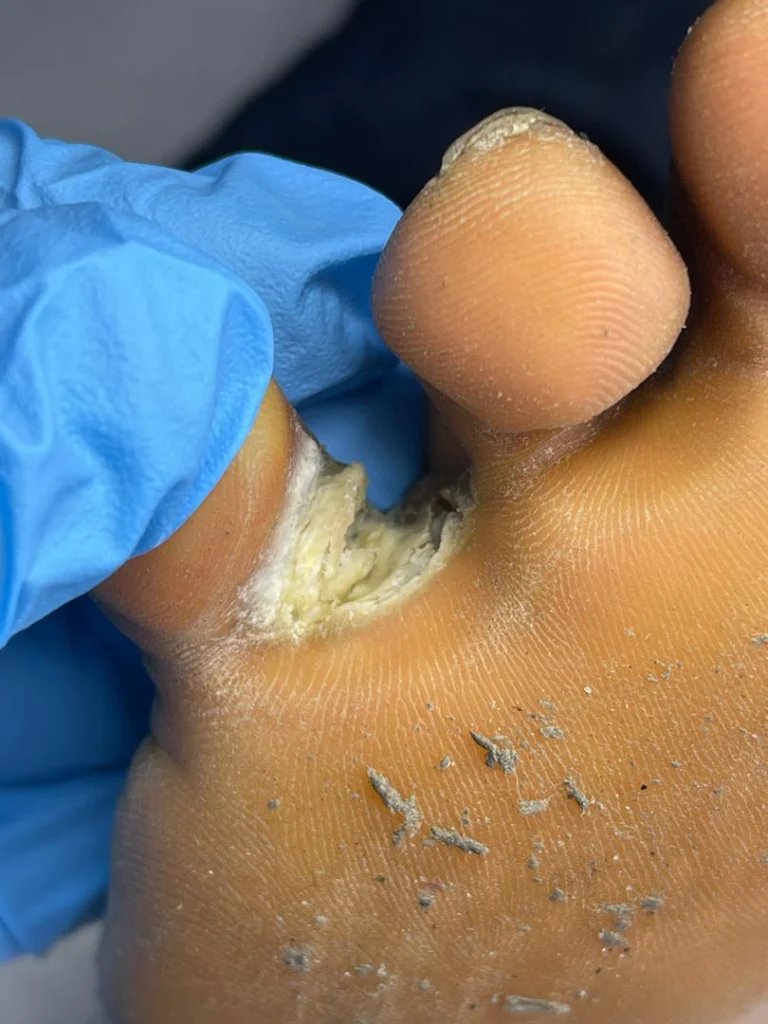
If you’ve ever felt the discomfort of rough, dry patches on your heels and soles, you’re not alone. Hard feet are a common issue many deal with, often caused by constant pressure and friction—especially in hot climates like Nigeria.
Here, the combination of heat, dust, and long hours on our feet, not to mention our love for open footwear like sandals and slippers, can make hard skin a regular occurrence.
When left untreated, these hardened areas can worsen, leading to cracks and discomfort. But there’s hope!
With a proper foot care routine and the right products, it’s possible to restore your feet to their soft, smooth state. You might want to look into specialized options, such as callus-softening creams and exfoliating lotions.
For instance, DermaFIX-IT cream is specifically formulated to tackle rough, dry skin, bringing much-needed relief. Alongside this, tools like the SoleFIX Foot File are perfect for gently buffing away those stubborn calluses.
In this blog, we’ll dive into the causes behind hard feet, discuss why this condition is prevalent in Nigeria, and share some of the most effective treatments to help you achieve healthier, softer feet. Say goodbye to discomfort and hello to happy, smooth soles!
Table of contents
What are Hard Feet?
One is said to have hard feet when there are thick, dry, and cracked patches of skin on your feet (primarily around your heels). The skin on your feet becomes too thick, dry, or damaged in any one part of your foot, often due to excessive pressure from constantly being pushed against a hard surface.
People often see hard feet when inspecting their heels. Most people will first notice a roughness there, then notice dullness, thickening, or discoloration over time.
From a medical perspective, hard feet are associated with calluses, a type of extremely thick patch of skin that is the body’s natural reaction to repeated areas of pressure.
When pressure is placed on the feet repeatedly, such as standing for long periods of time, walking barefoot, or having your feet squeezed too tightly together, your skin builds up additional dead skin cells to “heal” itself.
The thickening of skin on hard/dry feet occurs over an extended period; skin may begin as slightly dry or slightly thick with very little care, but it continues to thicken. Eventually becoming extremely thick, dry, or sometimes discolored on the heels or soles.
What Causes Hard Feet?
Hard feet take time to develop. They build up over time from daily habits, lifestyles, and environmental factors that repeatedly come into contact with the foot.
When the skin gets stressed or dried out, it thickens and becomes harder to protect itself from further injury. Below are common causes of hard feet.
1. Frequent barefoot walking
Frequent walking barefoot, especially over rough or hard surfaces, puts the feet at risk of constant friction and pressure. This creates a gradual increase in skin to protect the sensitive tissue underneath your foot.
Although walking barefoot may feel good to some degree, over time, it will develop hard, calloused skin on your feet.
2. Wearing tight and poorly designed footwear
Wearing poorly designed or tight-fitting shoes can put excessive pressure on specific areas of the foot, causing repeated rubbing and squeezing that lead to thickening skin (hard patches of skin or calluses) as a reaction to that constant pressure.
3. Long periods of weight-bearing activity
Workers who spend extended periods on their feet may place excessive pressure on their heels and soles. As the body continues to apply pressure to the feet during weight-bearing activities, the skin thickens and hardens to protect itself from further injury.
4. Dry Skin and Lack of Moisture
Inadequate moisture in the skin can make it dry and tough, and reduce its pliability as the skin becomes more dehydrated. Dehydrated skin often forms hard, thickened areas on the feet, especially on the heels, because the heels are under maximum pressure.
5. Friction and Pressure on the Feet
When someone walks, runs, or wears certain shoes every day, they create friction between their shoes and the skin on their feet. Over time, the skin develops additional layers of protection to minimize irritation, resulting in thick, hardened areas on the feet.
6. Obesity
Being overweight or obese places additional pressure on the foot, especially the heel. Extra stress on the foot can cause increased formation of hard skin/calluses.
7. Aging skin:
With age, skin loses moisture and elasticity, which causes skin on the feet to dry out, crack, and harden over time.
8. Poor foot care habits:
By neglecting basic foot care, such as regularly moisturising and exfoliating dead skin, and not wearing shoes that protect against impact, one can build up a lot of dead skin on their feet, resulting in a rough, hardened condition.
What are the Signs of Hard Feet?
The Development Of Hard Feet –
Hard, thickened skin (calluses) on some parts of our feet can appear harmless at first, but over time, they can become painful. We use our feet daily to carry our body weight, travel distances, and remain standing.
Given the demands we put on our feet, it should be no surprise that our feet sometimes show signs of stress. Identifying these signs and symptoms early allows us to address the problem and obtain an effective solution before it becomes a more serious issue.
Thickened Skin on the Heel or Sole –
Thickened skin on both the heel and the bottom of our foot is one of the first signs that we may be developing hard/rough feet.
The body creates an additional layer of skin in response to stressors on our feet, such as pressure and friction. The additional layer may make your feet feel stronger; if the skin continues to build up, it could eventually cause discomfort.
Rough/Dry Skin Patches –
Rough/dry skin patches on one’s feet are another indication of having rough/hard feet. Rough/dry skin patches can occur anywhere on your feet and are usually found on both heels and balls of the feet.
Most of the time, if you rub your finger over a rough/dry patch of skin (especially on the heels), you will feel little or no moisture in these areas, and that they have not received proper attention for some time.
Skin Color Change or Darkened Areas
Over time, hardening of the skin caused by layers of dead skin cells can lead to areas of yellow or darkened skin.
Pain/Discomfort While Walking
Initially, hardening of the feet does not usually result in pain or discomfort; however, as the condition progresses, prolonged standing or walking may create a sensation of something inside your shoe, as small as a pebble, when, in fact, there is nothing there.
Calluses/Corns
Hardening of the feet also leads to the formation of both calluses (wider areas of skin that are elevated due to repetitive pressure) and corns (smaller, sharply elevated areas of skin that are raised and sore to the touch).
Both of these formations result from the skin protecting itself; however, they can become quite uncomfortable to walk on if left untreated.
Many people overlook these symptoms because they progress slowly over time. Fortunately, by caring for your feet early on, you can maintain smoothness and comfort and continue to carry out normal activities throughout your life. After all, our feet do so much for us, and it is only right that we reward them in kind.
Types of Hard Feet Treatment in Nigeria
The treatment options for hard feet include products designed to soften hard, thick skin by removing dead skin and restoring moisture.
Products specifically formulated to do this and to target specific problems, such as calluses or thickened, rough heel skin, or general areas of hardened skin, can be found across Nigeria. Here are some common types of products available and how they work.
Moisturizing Foot Creams
Moisturizing foot creams are among the most important products for treating hard feet because they can help hydrate and soften thickened skin. When used regularly, moisturizing foot creams absorb through the outermost layer of skin on the feet, eventually restoring overall smoothness.
Other very effective foot moisturizers contain naturally derived ingredients, such as urea, glycerin, lactic acid, and shea butter, that help break down hardened skin while retaining moisture.
For example, DermaFIX-IT Cream from DermaFIX-IT Skincare is both a moisturizer and a gentle exfoliant for dry skin and for treating callused feet, cracked heels, and rough-textured skin.
An additional product that may help treat hard skin on the feet, as well as the elbows and knees, is DermaREPAIR, a 10% Urea Lotion that moisturizes, exfoliates, and softens dry or hard skin.
DermaREPAIR contains the same natural ingredients found in moisturizing foot creams, including urea, glycerin, shea butter, and lactic acid. These ingredients help remove dead skin cells while restoring smooth skin.
Foot Scrubs That Exfoliate
Using a foot scrub (exfoliating) removes the roughness caused by dead, dry skin. Over time, with the pressure of the weight on your feet, a build-up of dead skin cells will form on your soles and heels.
Foot scrubs exfoliate the skin by buffing away dead skin and revealing smoother layers below. Foot scrubs are usually used with pumice stones or foot files for a better finish.
Using exfoliating products, in conjunction with treatment creams from Dermafixitskincare or similar products, can significantly improve results, as removing dead skin cells allows the cream’s moisture to penetrate more deeply and work more effectively.
Peeling Masks for Feet
A foot peeling mask is an intensive, exfoliating treatment that helps remove stubborn, hardened buildup of skin. A foot peeling mask usually comes in a sock-like covering filled with ingredients that will exfoliate and soften the dead skin cells on your feet.
As your skin begins to shed, you will notice the skin underneath gradually becoming softer and healthier. The foot mask is great for people with extremely dry or calloused feet.
To keep your skin hydrated and protected after using the foot peeling mask, many people recommend using moisturizers such as DermaREPAIR or DermaFIX-IT to protect the newly revealed skin.
Callus Removers and Foot Files
The purpose of callus removers and foot files is to remove thick, hardened skin on the feet by mechanical means. These tools are often used after soaking the feet in warm water, which helps soften the skin.
A foot file, pumice stone, or callus remover can quickly remove rough spots by gently scraping off layers of dead skin.
To help keep the skin soft and prevent calluses from developing after filing the feet, a treatment product such as DermaFIX-IT is recommended.
Healing Foot Balms and Ointments
Healing foot balms and ointments are thicker, richer treatments used to help treat dry, rough, or hard feet. They form a protective barrier over the skin that helps hold moisture in and aid in repairing the skin.
For individuals who have very dry, cracked, or callused feet, these products will help nourish the skin while sleeping; applying them prior to sleep and wearing cotton socks will allow the ingredients to penetrate deeper.
Products such as DermaREPAIR and DermaFIX-IT from dermafixitskincare are both effective for this purpose because they contain moisturizers and gentle exfoliants that help soften thick skin and promote healthy feet.
The right combination of moisturizing creams, exfoliating treatments, and protecting balms can gradually turn hard, rough feet into smooth and healthy feet.
Permanent Hard Feet Treatment Products
Here are the Permanent hard feet treatment products that work effectively:
1. DermaFIX-IT Cream
Price: ₦25,000
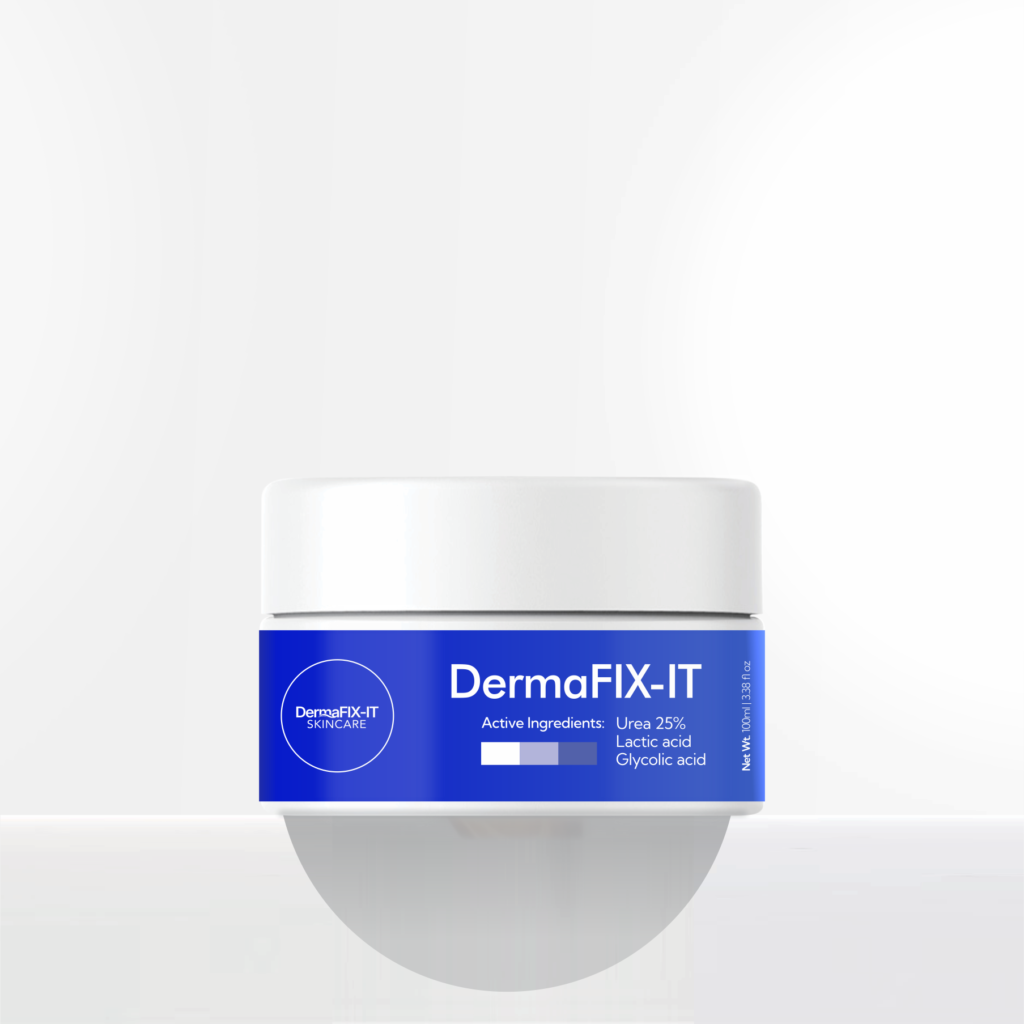
DermaFIX-IT is an advanced medical-grade product formulated to reduce dryness, cracking, callusing, and other forms of hardening as seen on the skin of the feet, heel, elbow, knee, and hand areas.
It will exfoliate dead skin by gently removing it and provide hydration to the treated area, which in turn makes it an excellent product for people who have hard/rough feet.
Key Features:
- Soften thick/hardened skin
- Get rid of the dry, dead skin in a gentle manner
- Hydrate and restore dry feet
- Improve the overall texture of rough skin
- Aid in the healing of cracked heels and peeling skin
Using the product on a consistent basis for two to four weeks can achieve excellent visible results and comfort in your hard feet.
Ingredient: Aqua(water), Urea, Lactic Acid, Glycolic Acid, Emulsifying Wax, Butyrospermum Parkii Butter (Shea butter), Triticum Vulgare oil, Glycerin, Cetyl Alcohol, Panthenol, Dimethicone, Stearic Acid, Propylene Glycol, Tocopherol (Vitamin E), Sodium Citrate, Allantion, Xanthan gum, Diazolidinyl Urea, Iodopropynyl Butylcarbamate, Citric Acid, Fragrance
2. DermaREPAIR Lotion
Price: About ₦33,000
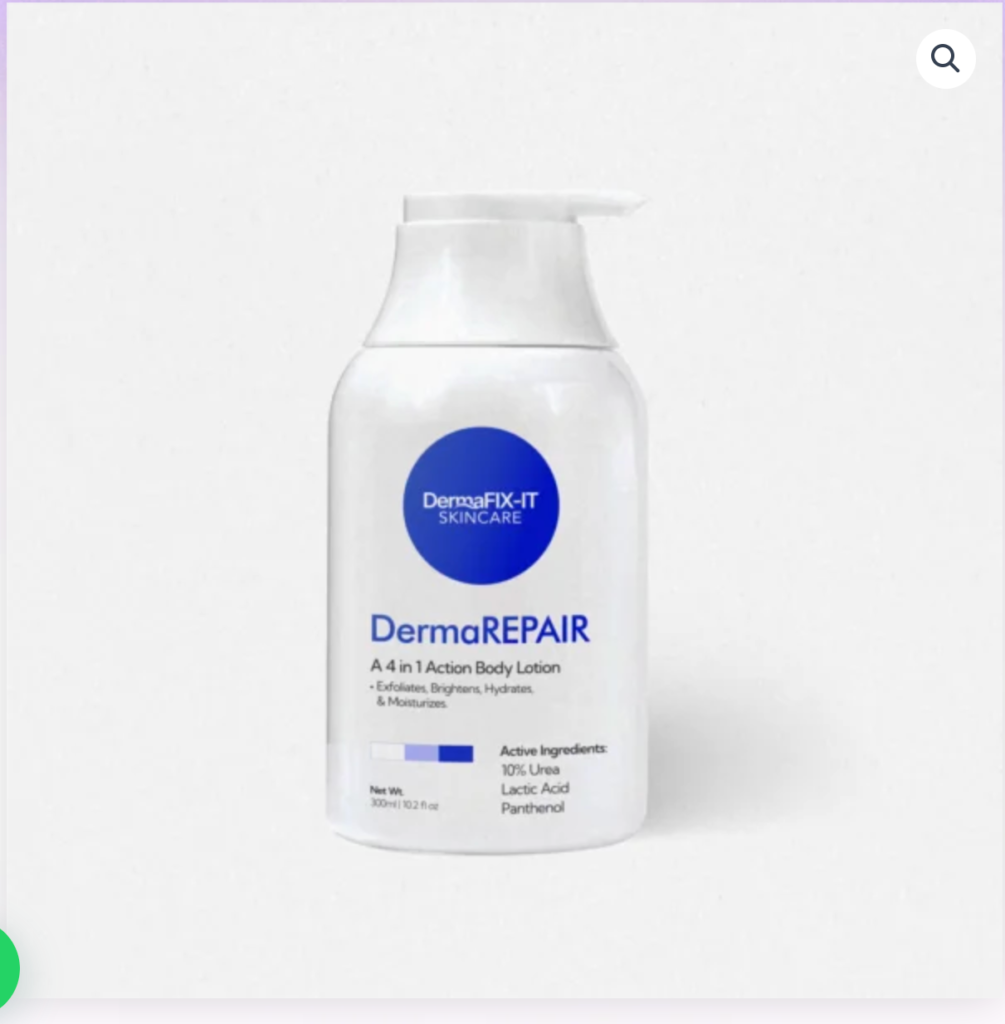
DermaREPAIR is a multipurpose lotion that will help to exfoliate, hydrate, brighten, and moisturize your body all from one bottle! It can be especially beneficial for dry, rough, cracked, and hard feet, which many people develop after extended periods of standing and/or walking.
When dead skin builds up on your feet and moisture dissipates, your feet can quickly become hard.
DermaREPAIR can be of help to us. By gently removing dead skin while hydrating the feet deeply with its effective ingredients, DermaREPAIR also helps to soften stubborn calluses and smooth out areas of roughness that make your heels feel like sandpaper over time.
This not only improves the feel and appearance of the skin on the feet but will also enhance the appearance of other dry areas such as your elbows and knees.
With continued use, you may find that your feet may go from a condition of “you don’t want to see up close” to a condition of smooth, soft, and ready for sandals!
Key Ingredients: Aqua(water),Urea, Emulsifying Wax, Butyrospermum Parkii Butter(Shea butter), Triticum Vulgare oil, Sodium Lactate, Glycerin, Cetyl alcohol, Lactic Acid, Panthenol, Dimethicone, Stearic Acid, Tocopherol(Vitamin E), Sodium Citrate, Allantoin, Xanthan Gum, Diazolidinyl Urea, Citric Acid, Iodopropynyl Butylcarbamate
3. The Flawless Feet Kit
Price: About ₦43,000

The Complete Foot Care Kit (The Flawless Feet) is a thorough solution for those with hard, rough, flaky, or calloused feet. Think of the Complete Foot Care Kit (The Flawless Feet) as a mini spa experience for your tired feet, you can do at home!
This kit contains two terrific products, Derma Mycosis Nail Repair and DermaFIX-IT Cream, which, if used together, can help treat both skin and nails.
Derma Mycosis Nail Repair is used to treat nails, while DermaFIX-IT Cream adds moisture to the hard, dry skin on your feet.
Using this product regularly provides visible results by decreasing hardened skin and smoothing out rough patches on the feet.
It also helps to improve the overall appearance of your feet. It is particularly helpful for people who deal with dry heels and recurring dead skin.
4. SoleFIX Foot File
Price: About ₦20,500
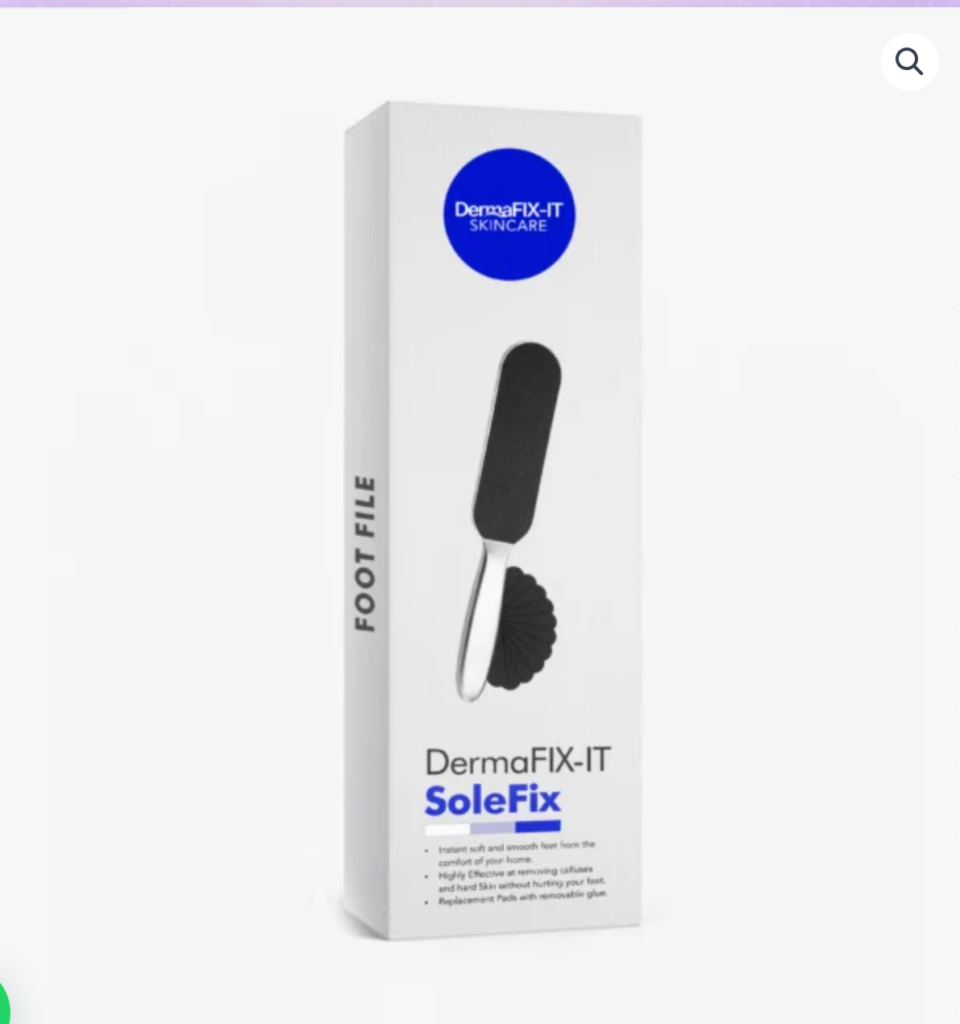
The purpose of the SoleFIX Foot File is to help eliminate cracks, calluses, dry, hardened, thick, and rough skin so you can get back to enjoying smoother, softer feet.
The file is made of double-sided stainless steel, making it durable, hygienic, and easy to hold. There is one foot file included in each box, along with 10 replacement pads (5 coarse and 5 fine).
Many pedicure salons use abrasive, grater-like metal tools that create many small cuts and can damage the skin, leaving your feet in worse condition than before.
The SoleFIX Foot File is identical to the professional foot file that we use in our clinic to help treat our patients and can also be used safely by individuals living with diabetes when properly used according to the manufacturer’s instructions.
How to Use it:
1. Start with the coarse side of the foot file to gently remove excess buildup, your heels, and thick skin. (If your heels have cracks, you can gently smooth them out with the coarse side of the file.)
2. Use your hands to feel your feet and find any areas of hardened skin before continuing.
3. After carefully removing the excess buildup and thick skin with the coarse side of the file, switch to the fine side of the file to further refine and smooth your skin.
4. For optimal results, use the SoleFIX Foot File on dry feet (do not wet your feet), and then wash your feet thoroughly after using the file.
5. Apply DermaFIX-IT Cream to your feet immediately after using the SoleFIX Foot File, as this cream has amazing penetrating properties that will provide your skin with nourishing moisture to repair itself from within.
For best results, use this file 1 time per week to promote and maintain healthy, smooth, soft feet.
When Do I See a Doctor?
While many cases of dry or hardened feet can be treated at home, there are a few instances when it is advisable to consult a physician’s office. Signs that it is time to seek medical advice are:
Persistent or Severe Pain When Walking
Pain during normal walking may be an indication that the calloused skin is too thick or that the crack(s) in the heal broke into deeper tissue layers.
Painful Heel Cracks and/or Bleeding
Cracks in the heel that are deep enough to create bleeding are often extremely painful and may require medical treatment to heal correctly.
Potential Signs of an Infection
Redness, swelling, warmth, pus, or increased pain around a specific area may be indicative that an infection is developing and should be examined by a healthcare professional.
If You have Diabetes and/or Poor Circulation
Those with diabetes and other medical conditions impacting their circulatory systems should be extra careful regarding foot problems. Something as small as a crack or callus can turn into serious complications if they are neglected.
Hardened Skin that Does Not Respond to At-Home Treatments
If daily use of moisturizers, exfoliation, and other foot-care products fail to produce any results, a physician or dermatologist can recommend more effective medical treatments.
Frequently Asked Questions (FAQs)
Repeated pressure and friction are factors contributing to the formation of hard skin on the feet. Examples of this would be standing in one place for an extended period of time, walking without shoes on, too restrictive or poorly fitting shoes, & inadequate moisturizing of the feet. This is often followed by the formation of additional skin layers/protective covering due to the accumulation of protective layers/tissue over a long period of time.
Calluses are a particular type of thickened skin due to friction/pressure on the area. Hard feet generally describe the condition of having rough or excessively thick areas of skin. Calluses would, therefore, be an example of how someone could obtain hard feet.
This depends on the severity of the hardness and how closely you follow the recommended treatment/maintenance. Light hardness can improve within 3 days to 7 days. More severe hardness will usually require two to three weeks of regular treatments, which include exfoliating and moisturizing the feet.
Hard feet can be managed; however, if the cause is present and untreated, the person with hard feet may continue to develop the condition of hard feet again.